LYNX
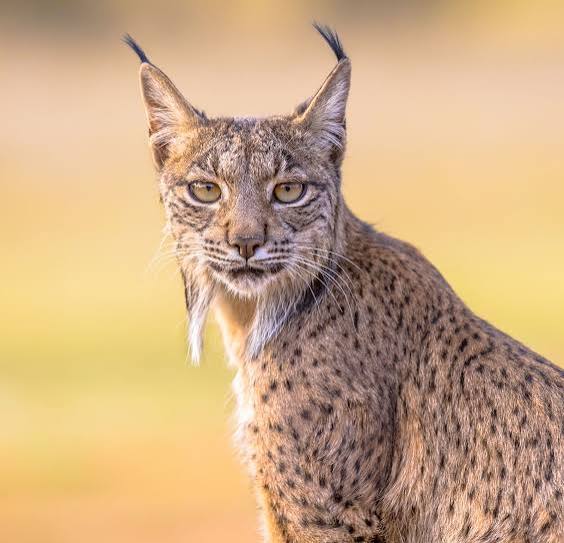
The lynx is a small cat which is made up of four main species: Bobcat, Eurasian, Iberian and Canada. All lynxes possess white fur on their chest, bellies and on the inside of their legs, although exact coloration and fur density depends on the climate in which they are found. For example, in south western U.S., they are short-haired, darker in colour, with smaller and less-padded paws, whilst in colder climates, their fur is lighter and thicker with larger, padded paws which are more adapted to snow.
Now let’s take a quick look at each individual species:
Bobcat: This is a North American wild cat which is made up of 13 sub-species. It is found in continental U.S., Canada and Northern Mexico. Unlike other lynx, it not only inhabits deep forests, but also swamps and desert lands, mountains and agricultural areas. The population of this cat depends on the population of his prey. It does often kill larger predators such as coyote, but in general, it is an adaptable predator. It is the smallest kind of lynx and has dark bars on its forelegs and tail.
Eurasian: Is the largest lynx with some variations within species. This cat is native to Central Asian, European and Siberian forests. It is now also being reintroduced to Europe. Its summer coat changes to a much thicker silver-grey coat to a greyish-brown coat in winter. The Eurasian lynx is well-known for stalking and jumping on its prey; it particularly likes to prey on roe deer in woodland habitat. However, it is an opportunistic predator and will take any easy prey.
Iberian: Is a vulnerable species which is found mainly in the Iberian Peninsula in Southern Europe. Efforts are currently made to conserve this species of lynx.
Canada: Is found in North American forests and tundra regions across Canada and Alaska. This cat is a good climber and swimmer which builds rough shelters under rocks, ledges or fallen trees. It has a thick coat and broad paws to cope with the snow. It likes to feed on snow shoe hares but will take birds and small mammals if they are convenient.
Lynx are usually solitary creatures but, sometimes, travels and hunts in a small group. It mates in late winter and the female gives birth once a year to 1 to 4 kittens – after a gestation period of about 70 days. The young don’t remain with their mother for long, and are soon independent, young adults.
We have touched a bit on the prey that lynx generally hunt, but they also pursue deer such as reindeer, roe deer and also chamois and on smaller prey like fish, foxes, sheep and squirrel – even mice.
Like all wildlife, these lovely cats are worthy of our respect and, when necessary, need conserving.
* Ref Wikipedia